
A recent case study revealed that a company using specialized field software captured 8x more customer data and boosted conversion rates by 33%. This isn’t magic. It’s the result of closing a critical, often invisible gap.
In my experience, when sales targets are missed, leaders frequently overlook the root cause. The problem isn’t always the strategy. It’s the disconnect between that plan and the reality of daily operations.
Weak execution doesn’t just slow things down. It quietly drains money through wasted time and inconsistent service gaps. This missing layer between high-level planning and on-the-ground work is where revenue evaporates.
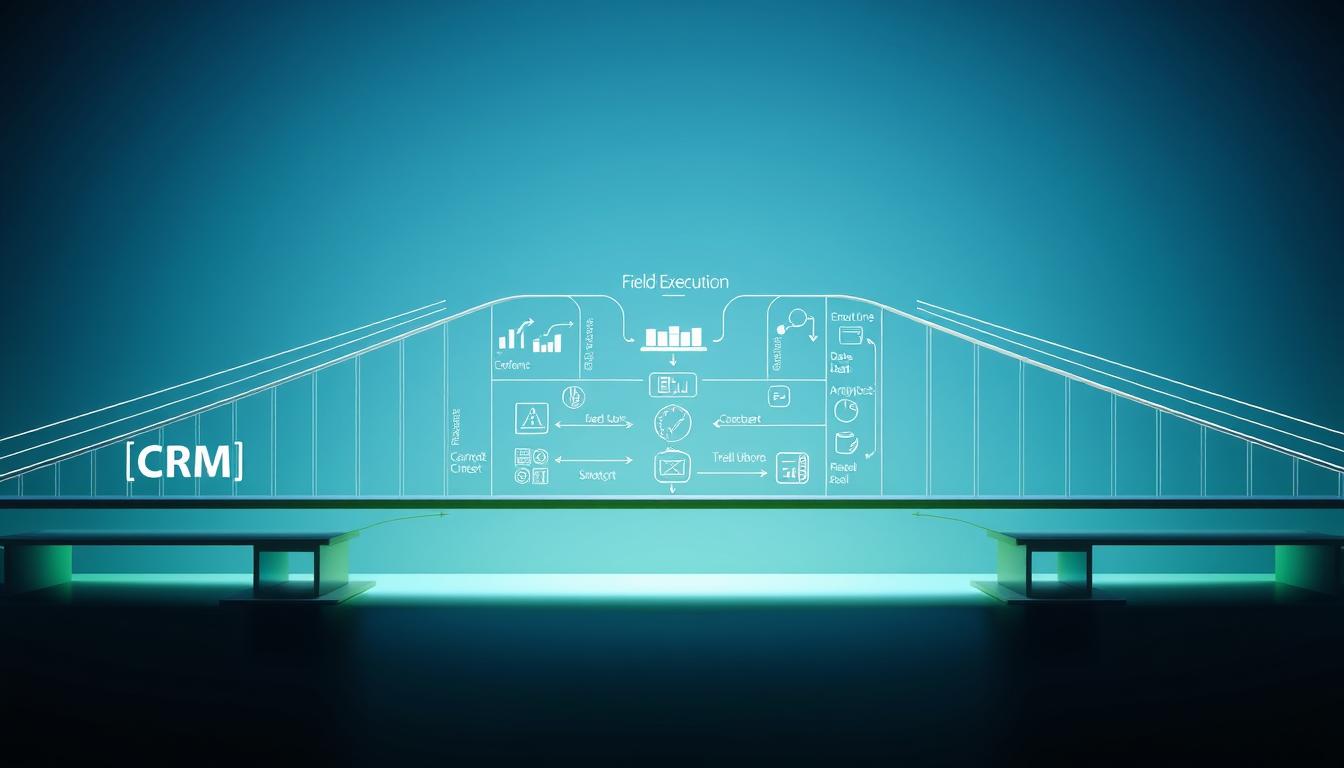
This guide explores that essential bridge. By implementing the right platform, organizations can recover lost income. For example, one tool helped a sales team increase its activity by 300% and saved each rep an hour per day.
I will show how modern solutions transform how your team operates. Every minute spent with a customer should add tangible value and drive long-term growth.
Key Takeaways
- Poor field execution is a silent revenue drain caused by operational inefficiencies.
- A significant gap often exists between company strategy and daily field operations.
- Specialized software can lead to massive improvements in data capture and conversion rates.
- Automating field workflows saves each team member significant time every day.
- Integrating field activity with central systems ensures every customer interaction adds value.
- Real-world results show sales activity can increase by 300% with the right tools.
- Bridging the strategy-to-execution gap is fundamental for sustainable sales growth.
Introduction: Uncovering the Hidden Gaps in Field Execution
My exploration into sales challenges began with a simple observation. Plans crafted in boardrooms often dissolve in the chaos of daily work.
My personal journey exploring execution challenges
I have watched talented groups struggle. They lacked a clear, integrated system to guide their day. The strategy from headquarters failed to become effective action on the ground.
Poor results were rarely from a lack of effort. It was usually a failure of the tools given to the staff. This disconnect quietly drains morale and revenue.
Setting the stage for CRM integration
My journey taught me a fundamental lesson. Bridging the office-to-ground gap requires a new view of data. We must see information as a live resource, not a static report.
By setting this stage, we give every team member the context they need. They can make smarter decisions in real time. This shift turns daily activity into a powerful driver for growth.
Defining CRM Field Execution and Its Crucial Role
The gap between a great plan and great results is filled by the quality of on-site work and the data it generates. This is where the crucial layer of execution lives.
What “CRM field execution” really means
It’s about how effectively a strategy is carried out where the work happens. This means a rep is fully prepared for every meeting and manages their territory intelligently.
The entire sales team must operate with a shared understanding. Their daily activity directly reflects the company’s strategic goals.
The impact of accurate data logging
Immediate note-taking after a customer visit is non-negotiable. These notes preserve the vital history of the account for future decisions.
This practice forms the backbone of a successful business. It ensures the whole organization can trust the information from every site visit.
True service excellence relies on consistent operations, whether someone is at a desk or on location. Prioritizing this discipline turns raw data into a powerful asset for growth.
The Impact of Poor Field Execution on Sales and Revenue
A breakdown in daily execution doesn’t just slow progress. It actively leaks money from the business. The impact is clear in wasted time and lost deals that should have closed.
Revenue leakage through missed follow-ups
When a rep leaves a meeting, momentum is everything. Delaying the next action quietly stalls the entire sales cycle. I’ve seen deals die because the logical next steps were never defined or assigned.
This leakage is massive. Teams lose hours every week to manual admin. That’s time stolen from selling and serving.

Consequences of incomplete CRM updates
End-of-day data entry is a flawed system. Critical details fade from memory. This loss of specific customer data forces future conversations to be generic.
They fail to move the deal forward. Incomplete crm updates mean the next rep lacks the full customer history.
Poor territory coverage is another result. Some customers get too much attention. High-potential prospects get none. This directly hurts the bottom line.
Forgotten information also undermines your pricing strategy. The whole sales team becomes less effective by the end of the day.
Essential Elements and Best Practices in Field Execution
The difference between a productive day and a wasted one often comes down to two critical factors: intelligent scheduling and instant data capture. Mastering these elements turns a reactive team into a proactive force.
These best practices form the backbone of reliable, high-quality operations. They ensure every resource is used effectively to drive growth.
Efficient scheduling and route planning
Smart scheduling is the first essential element. It ensures your team spends its day selling, not sitting in traffic. Dynamic route optimization considers traffic, appointment windows, and priority.
This directly improves territory coverage. High-value customers get the attention they deserve. No prospect is left behind due to poor planning.
Tools for real-time data capture
Modern software provides the second critical element. Mobile tools allow for immediate capture of photos and detailed notes on-site.
This practice is non-negotiable for quality service. It locks in accurate pricing and job details before memory fades. The data fuels better future decisions.
I recommend a mobile-first approach for all field service teams. Integrating these features into the daily workflow provides clear tracking and accountability. It turns every customer interaction into a valuable data point.
Leveraging Technology to Enhance Field Team Performance
Integrating mobile workflows into daily operations creates a seamless bridge between the office and the field. The right software transforms how your team works. It automates routine tasks so people can focus on high-value sales activities.
Automation and integration with mobile workflows
Automation allows your field service staff to stop wasting their day on manual data entry. Instead, they build stronger relationships. Mobile tools push real-time updates directly to your crm software.
This gives managers immediate insights into on-site performance. I have seen entire teams become more productive. Their job satisfaction improves when scheduling is intelligent.
Real-time updates and streamlined customer communication
Instant updates enable streamlined customer communication. No service opportunity is ever missed. Advanced features like photos capture provide visual proof of work.
This is critical for maintaining high service standards. The whole organization benefits from better operations and accurate reporting. Every interaction adds tangible value.
How Software Solutions Empower Field Teams and Improve Efficiency
I’ve observed that the most successful organizations equip their staff with intuitive tools that simplify complex processes right at the point of service. This empowerment transforms daily operations from a chore into a competitive edge.
Streamlining data capture on the go
Modern software provides mobile tools for immediate logging. Your team can input job details and customer history before leaving a site.
This practice slashes the administrative burden. It gives people more time for high-quality service. I see a direct boost in both accuracy and morale.
Enhancing operational visibility and task tracking
Managers gain real-time visibility into their teams‘ locations and progress. Every assignment is clearly tracked from start to finish.
This management insight is crucial for optimizing daily scheduling. Effective tracking provides the data needed to maintain peak performance.
The right features keep the whole organization aligned. Each job is handled with precision, driving better sales and operations outcomes.
Strategies to Improve CRM Data Quality and Field Execution
Improving data quality isn’t just an IT task. It’s a frontline strategy for sales growth. The right approach turns every site visit into a building block for future success.
Your team must capture intelligence while it’s fresh. This discipline ensures your entire operation runs on accurate, actionable information.
Capturing detailed customer records in real-time
Immediate logging is non-negotiable for quality customer records. Details fade quickly after a visit. Mobile tools allow your staff to input specifics before they leave the location.
This practice locks in precise customer data, from preferences to pricing discussions. I advocate for using photos to document conditions or installations.
These visual notes create an undeniable history. They provide context that text alone cannot capture.
Maintaining comprehensive notes and follow-up actions
Thorough notes do more than record a conversation. They explicitly define the next productive step. Every interaction should conclude with a clear action for sales or service.
Effective management enforces compliance with these standards. This ensures the information captured during the day is reliable.
Streamlined communication of these updates keeps the whole team aligned. With the latest data at their fingertips, your people provide superior service on every job.
Key Performance Indicators That Drive Field Execution Success
The most insightful data for improving on-ground work comes from tracking specific operational metrics. These KPIs provide the visibility managers need to guide their teams toward higher performance.
Tracking coverage ratios and follow-up SLAs
Coverage ratios show if your team visits the right customers at the right time. This KPI helps management make sure high-value accounts get proper attention. Service level agreements for follow-ups keep the sales cycle moving.
Measuring time in transit versus productive time
Analyzing drive time against actual service time is crucial. It reveals scheduling inefficiencies that drain the day. Better scheduling based on this data maximizes impact for every job.
Ensuring next-step clarity and CRM completeness
Every customer interaction must end with a defined action. Clear steps prevent deals from stalling. I also stress complete CRM updates. Full records provide the insights needed for future service improvements in field service operations.
Effective tracking of these indicators turns activity into a roadmap for success.
Overcoming Common Obstacles in Bridging CRM and Field Operations
The journey to seamless operations often stalls at two familiar roadblocks. These hurdles prevent the smooth flow of information and create friction in daily work.

Addressing technology integration challenges
Getting different software systems to work together is the first step. A seamless process is key. The right crm software must connect effortlessly with mobile tools.
This harmony gives your team a unified view. I prioritize features that automate scheduling and communication. When integration is smooth, your business gains a powerful advantage.
Building habits for consistent field updates
Reliable updates depend on intuitive tools. People will use software that simplifies their job. Easy data capture drives compliance.
This practice provides critical insights for management. It ensures accurate pricing and customer records. Consistent field service updates are the foundation of trust.
Overcoming these obstacles lets your team focus on its primary work: excellent service. By simplifying the process, you reduce administrative tasks. Your people spend more time on high-value field service activities.
Integrating field service and CPG CRM Tools for Seamless Operations
Bridging the digital divide between headquarters and mobile teams transforms how a company serves its customer base. This integration creates a single source of truth for the entire business.
Key features that connect back office and field teams
Advanced field service platforms use IoT sensors. These features detect equipment issues before they cause downtime. This ensures every job is handled proactively.
Retail execution platforms provide another critical connection. They track retail shelf placement and demo day outcomes. This gives management the visibility needed for complex retail relationships.
Real-world examples from industry leaders
I have seen how these tools connect the back office to the frontline. They make sure customer records are always current. This is vital for high service standards.
This integration allows for better scheduling and more efficient operations. The entire team works from the same live information. These solutions provide the insights to manage customer relationships effectively.
Every interaction is documented for compliance, building a reliable history. This is the future of connected field service work.
Conclusion
Achieving predictable revenue hinges on eliminating the invisible gaps in your operational workflow. Bridging this divide is essential for any organization aiming for steady growth. The right software stops the revenue leaks that happen when daily actions are unguided.
Consistent, high-quality work is what turns a sales strategy into real business results. I encourage you to start a pilot program. See how modern tools can boost your team’s efficiency and the accuracy of your information.
With the proper platform, you empower your people. They can close more deals and deliver outstanding service to every customer. This is the foundation for lasting success.
See how FieldAx can transform your Field Operations.
Try it today! Book Demo
You are one click away from your customized FieldAx Demo
FAQ
What exactly is CRM field execution?
In my experience, it’s the critical process where your team turns planned customer visits into actionable data within your system. It bridges the gap between strategy in the office and real-world work, ensuring every interaction is logged accurately to strengthen customer relationships and drive business forward.
How does poor execution affect my company’s revenue?
I’ve seen revenue leakage happen directly through missed follow-ups and incomplete updates. When details from the field aren’t captured, sales opportunities vanish, customer history has gaps, and management loses the visibility needed to make smart decisions, directly hurting the bottom line.
What are the best tools for capturing information on-site?
I rely on specialized software solutions that offer mobile workflows. The right tools allow my team to log notes, attach photos, and update records in real-time from their devices. This eliminates paper, reduces errors, and ensures the back office sees customer information instantly.
How can technology improve my team’s daily performance?
By leveraging automation and integration, technology streamlines everything for my teams. It improves scheduling and route planning, sends automatic tasks and reminders, and tracks job compliance. This gives everyone more productive time in front of customers and less on administrative work.
What should I track to measure my field execution success?
I focus on key performance indicators (KPIs) like coverage ratios, follow-up completion rates, and time spent in transit versus with customers. Monitoring CRM completeness and the clarity of next-step actions also provides powerful insights into operational health and service quality.
What’s the biggest challenge in connecting our CRM to field operations?
The main obstacle I’ve faced is fostering consistent habits for updates. Technology integration is solvable, but ensuring every team member reliably logs data requires clear process steps, strong communication, and software that simplifies their day, not complicates it.
Can you give an example of software that connects field and office teams?
Absolutely. Platforms like field service are built for this. They provide live job details, customer records, and scheduling visibility to both teams. This integration ensures service operations are aligned, improving efficiency and customer communication across the board.