
I was talking to a shop owner last week. He told me his crew was out before dawn every day, hustling from job to job. The phones were ringing, and trucks were rolling. Yet, at the end of the month, the profit numbers were flat. He felt stuck. Sound familiar?
This is a common story. You see the effort, but the bottom line doesn’t budge. Hard work alone isn’t enough. You need a clear picture of where your operations are winning and where money is slipping away.
Many leaders fly blind. They lack the data to spot leaks in their process. For example, industry benchmarks show a typical shop books only 42% of its calls. That means over half of potential revenue walks out the door unseen.
Tools like modern field service management software change the game. They provide an integrated system tracking 19 key performance metrics. This visibility turns gut feelings into actionable plans.
I made this guide to cut through the noise. We’ll analyze your current workflows and implement best practices that drive real growth. My goal is to give you insights that transform daily tasks into a more profitable and efficient machine. You’ll learn how to use modern solutions so your team works toward the right goals, not just harder.

Key Takeaways
- Hard work doesn’t automatically lead to better business results.
- A lack of clear data is often the root cause of stalled growth.
- Industry benchmarks, like a 42% call booking rate, reveal common inefficiencies.
- Integrated management software can track numerous key metrics for full visibility.
- Actionable insights from data analysis are essential for improving operational efficiency.
- Aligning daily activities with strategic goals is more effective than simply increasing effort.
- Modern tools are designed to help diagnose issues and implement proven best practices.
Introduction to Field Service Performance Challenges
Running a mobile operation today is far more complex than simply sending a truck to a job. The competitive landscape demands more than just hard work and basic call logs. To truly thrive, you need a clear understanding of what’s happening across your entire organization.
Understanding the Modern Field Service Landscape
I often see companies operating in the dark. They review dispatch sheets at the end of the week, but this is like driving while only looking in the rearview mirror. According to data from modern field service management software , many leaders fly blind by only checking logs periodically instead of measuring live metrics.
This outdated approach creates serious blind spots. The modern landscape requires integrated software that tracks everything in real time. This shift is non-negotiable for survival and growth.
Identifying Common Performance Hurdles
Pinpointing where your process breaks down requires a deep dive. Common hurdles include inefficient routing, poor parts visibility, and unclear technician priorities. These friction points drain profit and morale.
Without a clear view of your operational data, you cannot manage these challenges effectively. My analysis shows that businesses using comprehensive management tools are best equipped to identify and overcome these hurdles systematically.
Why Field Service Performance Matters
Many business owners overlook the direct connection between their team’s daily actions and their company’s financial health. This oversight can cost you dearly. Strong operational results are the engine for both customer loyalty and sustainable profit.
The Impact on Customer Satisfaction and Profitability
I see companies aiming for customer satisfaction scores between 70 and 90 percent. That’s a solid target. However, hitting those numbers requires more than hope.
It demands consistent, high-quality work from your mobile team. When your crew delivers reliable results, you build trust. This trust turns one-time calls into repeat business.
It’s the foundation for achieving your long-term business goals.
My analysis shows that poor execution often leads to lost revenue and decreased satisfaction. This combination can cripple your growth.
By focusing on the right metrics, you ensure every interaction adds value to your reputation and profitability. True financial success means aligning your operations with what customers truly want.
It’s not just about activity; it’s about creating positive outcomes that drive referrals and retention.
Key Best Practices for Effective Field Service Management
The difference between chaotic activity and profitable execution lies in implementing a few core best practices. I guide companies to move from reactive scrambling to a smooth, predictable system. This shift requires a deliberate focus on your operational playbook.
Implementing Proven Strategies
Start by standardizing your internal workflows. Consistent processes ensure every team member follows the same high-quality steps. Training is crucial here; invest in your people so they can execute flawlessly.
Tools like field service management platform exemplify this approach. Built by contractors for contractors, it provides specialized software to streamline daily tasks. This isn’t generic technology; it’s designed for the unique challenges of mobile businesses.
Optimizing Service Operations
Visibility is everything. You need a clear window into every job, from dispatch to completion. Modern platforms bridge the gap between your office and your crew in real time.
Refine your methods to cut time wasted on admin and travel. Focus your energy on billable work that clients value. The goal is a lean machine where effort directly translates to revenue.
Finally, never stop evaluating. The market changes, and your strategies must adapt. Continuous improvement turns good management into a lasting competitive edge.
Measuring and Tracking Essential Field Service KPIs
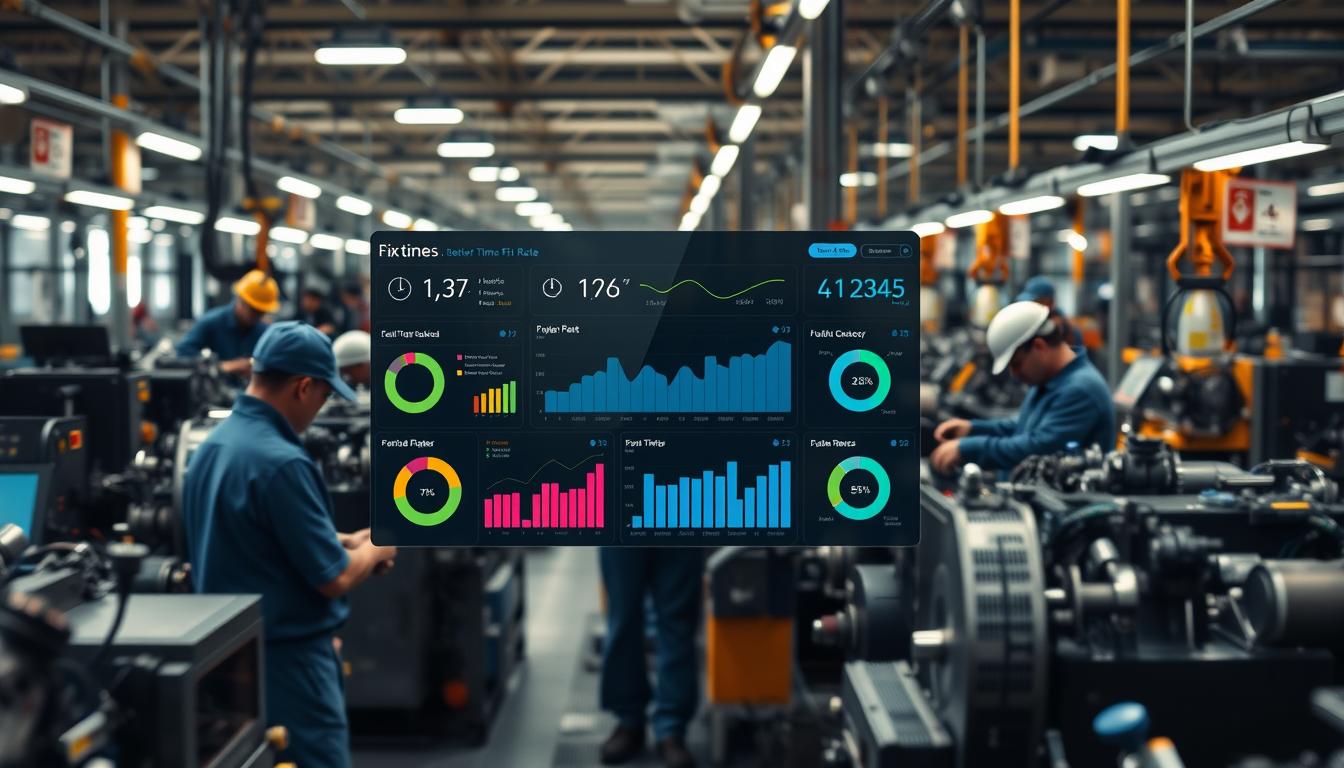
What separates top-performing mobile businesses from the rest is their relentless focus on measuring the right numbers. You need to track Key Performance Indicators, not just general service metrics. As modern field service management software notes, KPIs are the specific figures you monitor daily on your dashboard to guide decisions.
Critical Metrics: First-Time Fix Rate, Technician Billable Hours, and More
Your first-time fix rate is a top-tier metric. It shows how often issues are resolved on the initial visit. A high rate means less wasted time and happier customers.
Technician billable hours are equally vital. This data reveals how much productive work your crew completes each day. Monitoring it highlights where training or better tools are needed.
How to Use KPI Data for Continuous Improvement
I use this information to drive systematic improvement. Every KPI should offer an actionable insight for your daily operations.
Consistently analyzing this data builds a culture of accountability. Your team works smarter when they understand the metrics that define success. This focus naturally leads to better business outcomes.
Boost Field Service Performance: Expert Best Practices for Success
To elevate your company’s results, you must move beyond guesswork and embrace data-driven habits. Hard work alone won’t cut it in today’s competitive landscape.
Platforms like modern field service management software provide the automation you need. They track critical metrics seamlessly, turning numbers into a roadmap for greater profitability.
My approach combines modern technology with dedicated team training. Every task should directly support your primary business goals.
Identify the exact spots where your team struggles. Provide them with the specific tools and knowledge to succeed.
Apply these methods with unwavering consistency. This builds a more resilient and profitable company for the long haul.
Leveraging Technology for Efficient Service Management
The right technology stack is no longer a luxury for modern service companies; it’s a fundamental requirement. Moving from manual spreadsheets to an integrated platform changes everything.
This shift provides the clarity and control needed for efficient service management.
Benefits of Field Service Software Solutions
I recommend dedicated software to any company aiming for efficiency. Tools like modern field service management software eliminate complex spreadsheets. This reduces the risk of missing critical information.
Centralizing your data in one platform cuts the administrative burden on staff. It also improves overall service delivery. You gain better visibility into your entire operation.
Utilizing GPS Tracking and Scheduling Tools
GPS tracking and smart scheduling transform daily field operations. I’ve seen teams become far more responsive.
Real-time location data allows for quicker customer responses. Advanced scheduling optimizes routes and technician time.
Investing in tools that provide live data is my key advice. This is how you stay ahead of the competition. It turns your mobile team into a precise, efficient unit.
Enhancing Technician Efficiency and Utilization
Every minute your crew spends idle directly impacts your bottom line. Strong technician utilization is what separates profitable shops from struggling ones. Industry benchmarks show top teams operate between 60 and 80 percent utilization.
Hitting this range requires a deliberate plan. You must ensure your people spend more hours on billable work each day.
Strategies to Minimize Downtime and Increase Productivity
I focus on cutting non-productive time. Long drives between jobs and waiting for parts are major drains. Smart routing software and better inventory management solve these issues.
Track the number of jobs completed per day. This simple metric reveals your true utilization. It helps you spot bottlenecks before they become costly habits.
Equip your technicians with the right tools and training. This investment is the fastest way to boost their overall efficiency. A well-prepared crew can handle more complex tasks confidently.
My goal is to help you build a supportive environment. Your team should feel empowered to do their best work. This cultural shift, combined with practical strategies, drives sustained productivity gains.
Optimizing Customer Satisfaction and Experience
Your customers’ opinions are the most valuable data you can collect. This information directly shapes your reputation and future revenue. Treating feedback as a core part of your process is non-negotiable.
Optimizing satisfaction is a continuous cycle. It involves listening after every single job. You must then act on what you hear to improve the overall experience.
Collecting and Acting on Customer Feedback
I recommend automated systems to gather experience data. Tools like modern field service management software can request reviews instantly after work is done. This captures genuine impressions while the job is fresh.
Addressing concerns quickly prevents small issues from escalating. It shows clients you value their input. This builds the loyalty that drives repeat business.
Train your team to communicate effectively during visits. Ensure every interaction meets high standards. By prioritizing customer needs, you gain insights that refine your entire operation.
Strategies to Improve First-Time Fix Rate
According to industry data from industry research, the average first-time fix rate sits at 80 percent. Top-performing operations, however, target 90 percent. Closing that gap is a powerful lever for growth.
A high fix rate is one of the most effective ways to reduce operational costs. It also dramatically increases customer satisfaction. Every return visit chips away at your profit and your reputation.
Addressing Diagnostic and Inventory Challenges
I focus on two main hurdles: diagnosis and parts. These are the most common reasons a technician cannot complete a job. Clear information upfront helps them identify issues correctly the first time.
My approach involves streamlining your inventory processes. Your field team must have the right parts on their truck. This preparation is key to achieving a strong first-time fix.
When your crew can resolve calls in one visit, it signals a well-managed service business. You show clients you value their time and deliver quality work consistently.
Overcoming Scheduling and Dispatch Challenges
Scheduling mistakes can quietly drain your company’s profit, turning a busy day into a financial loss. Manual methods create chaos. Your team juggles multiple spreadsheets and boards.
This disjointed approach hurts your efficiency. Modern dispatching tools change this dynamic. Platforms like modern field service management software consolidate everything into one system.
Tools and Techniques for Smarter Dispatching
I recommend GPS-based dispatching. This ensures you send the right technician to the right jobs at the right time. Real-time location data lets you adjust routes instantly.
Optimizing your scheduling processes is crucial. It cuts down on repeat visit requirements. You can complete more jobs each day.
My experience shows this leads to better crew utilization. It also creates a more consistent service experience for clients. Focus your workflow on minimizing travel time.
Maximize the hours spent on actual tasks. This precise management turns your field team into a reliable profit center.
Using Data to Identify Opportunities for Improvement
The most successful leaders don’t just collect data; they use it to spot patterns and make strategic moves. Raw numbers on a screen mean little without interpretation. Your goal is to turn this information into a clear plan for growth.
Interpreting Trends from Performance Metrics
I analyze trends from my key metrics every week. This review shows where my team excels and where we must adjust. A single data point is a snapshot, but a trend tells the real story.
Platforms like modern field service management software provide dashboards that visualize these trends. You can see if first-time fix rates are climbing or if travel times are increasing. This information helps you make informed decisions fast.
My process involves regular reviews of this data. I look for both positive and negative patterns. This habit prevents small issues from becoming big problems.
Treat your metrics as a roadmap. They guide your daily choices and long-term strategy. Continuous improvement starts with understanding what the numbers truly mean.
Aligning Business Goals with Field Service Operations
A clear connection between your company’s strategic aims and daily tasks is the bedrock of sustainable profit. You must ensure every job your crew completes directly supports your larger financial targets.
This alignment is essential for long-term revenue growth and strict contract compliance. I focus on tracking key metrics, especially contract attach rates.

Ensuring Contract Compliance and Revenue Growth
Data from modern field service management software shows a clear benchmark. High-performing companies achieve service contract attach rates between 30 and 50 percent.
Monitoring these rates ensures you meet obligations and spot new expansion opportunities. My strategy involves regular reviews of all contracts.
This process confirms each agreement remains profitable and aligned with customer needs. It builds a model that can withstand market changes.
Your team must see how their daily work fuels the company’s success. When they understand the goals, their effort becomes more strategic.
This creates a powerful cycle where smart operations drive predictable business growth.
Integrating Field Service Metrics for Long-Term Growth
Sustainable growth doesn’t happen by accident. It’s engineered by consistently reviewing the right data. Integrating your key metrics into a daily routine is the best way to ensure stability for your company.
Tools like modern field service management software provide the real-time visibility needed for this journey. Their tracking features turn numbers into a clear path forward. This visibility is essential for achieving long-term growth.
I use KPIs to monitor our progress every day. Every percentage point of improvement contributes to our broader objectives. This disciplined focus builds momentum over time.
You should view your KPI tracking as an investment. It provides the insights needed to scale your business effectively. By tracking your metrics, you can identify exactly where your business must evolve.
My approach is built on a foundation of accurate metrics. This commitment to continuous improvement using data keeps you competitive. It transforms your daily field service operations into a engine for lasting success.
Conclusion
Transforming your mobile business from a hectic daily grind into a streamlined profit center is entirely within reach.
The core lesson is clear. You must track the right metrics and leverage powerful software. I’ve outlined best practices to manage your technicians and refine your processes.
Focus on critical areas like your first-time fix rate and team utilization. Consistent tracking of your KPIs is the only way to guarantee long-term business growth.
Start applying these strategies today. You will see a positive impact on customer satisfaction and your overall efficiency.
With the right resources and a commitment to improvement, you can build an operation that excels.
See how FieldAx can transform your Field Operations.
Try it today! Book Demo
You are one click away from your customized FieldAx Demo
FAQ
How does my first-time fix rate directly affect my profitability?
My first-time fix rate is a critical metric for my bottom line. When my technician resolves an issue on the initial visit, I avoid costly return trips, reduce labor hours, and maximize my billable utilization. This efficiency directly lowers my operational costs and increases revenue from each job. More importantly, it boosts customer satisfaction, which leads to repeat business and positive referrals, fueling long-term growth.
What are the most essential KPIs I should be tracking for my mobile team?
I focus on a core set of key performance indicators to get a clear picture. My top priorities are first-time fix rate, technician utilization (billable hours), mean time to repair, and customer satisfaction scores. Tracking response and arrival times is also crucial. By monitoring this data, I can pinpoint exactly where my processes are strong and where they need improvement to meet my business goals.
Can software really make a difference in managing my on-site operations?
Absolutely. Implementing a robust solution like Salesforce Field Service or FieldAx transforms my management. It automates scheduling and dispatch using intelligent tools, provides technicians with real-time information and parts visibility, and offers GPS tracking for route efficiency. This technology consolidates all my data, giving me the insights I need to streamline every aspect of my operations and make smarter, faster decisions.
What’s one effective strategy I can use to improve my team’s productivity?
I prioritize minimizing technician downtime. This means equipping my team with mobile access to job histories, diagnostic manuals, and real-time inventory data so they are prepared for every appointment. I also use advanced scheduling tools to cluster jobs geographically, reducing windshield time. Investing in continuous training ensures they have the latest skills to handle complex issues efficiently on the first visit.
How should I collect and act on feedback from my customers?
I make it easy and immediate by sending automated surveys via text or email right after a job is completed. I keep them short and focused on the experience. More importantly, I have a process to review this data regularly. If I spot a trend—like recurring comments about communication—I address it directly with training or process changes. Acting on this input shows customers I value their opinion and am committed to improvement.
What common challenges hurt my first-time fix rate, and how do I fix them?
The two biggest hurdles I face are inaccurate initial diagnostics and not having the right parts on the truck. I combat this by using software that shares equipment history and fault codes with my technician before dispatch. I also maintain better inventory management by tracking part usage trends. Empowering my team with this information before they arrive dramatically increases their chance of a successful first-time resolution.
How can analyzing my performance data reveal new opportunities?
By regularly reviewing my KPI trends, I move beyond guesswork. For instance, if I see a dip in fix rates for a specific product, it might indicate a need for targeted technician training. If certain jobs consistently take longer than estimated, I can adjust my quoting and billing processes. This data-driven approach allows me to proactively identify issues, optimize resource allocation, and uncover areas for efficiency gains I might have otherwise missed.